
Homepage
Caring for Oil Paintings
Watercolours and Prints
Framing
Gilding
Picture Restoration
Examples
F A Qs
How to find us
Email Us
Links
 
   
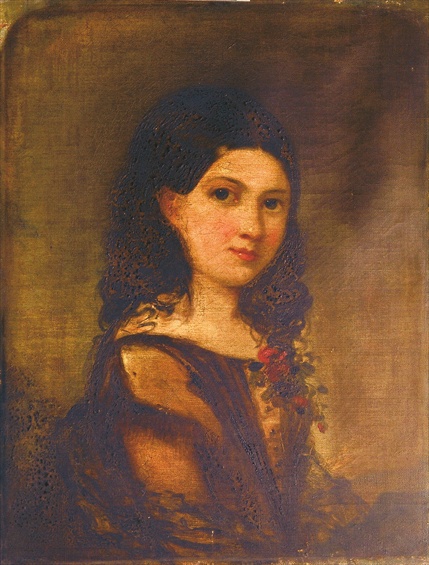
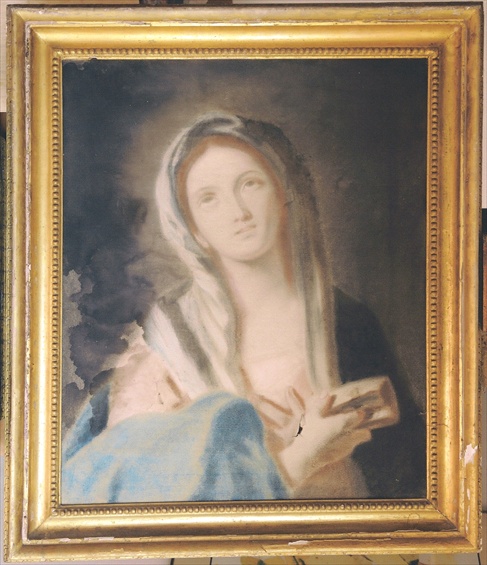
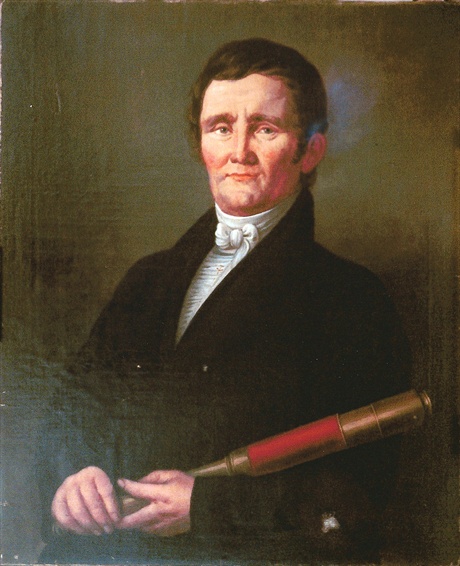
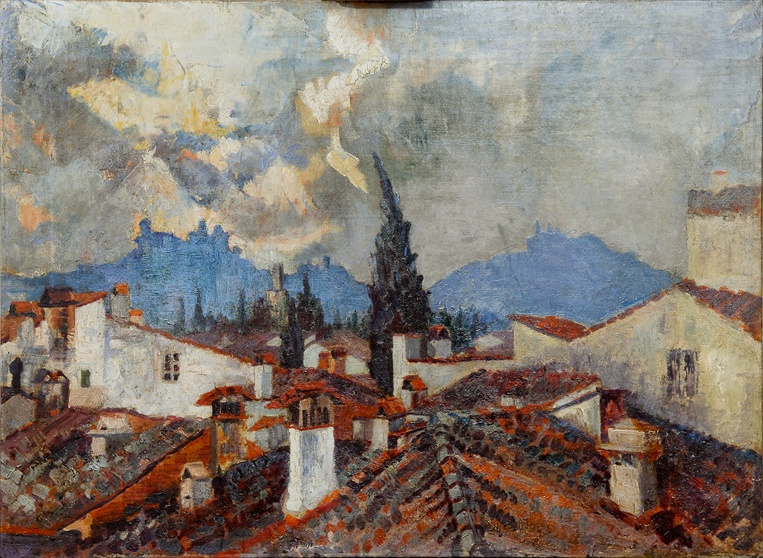
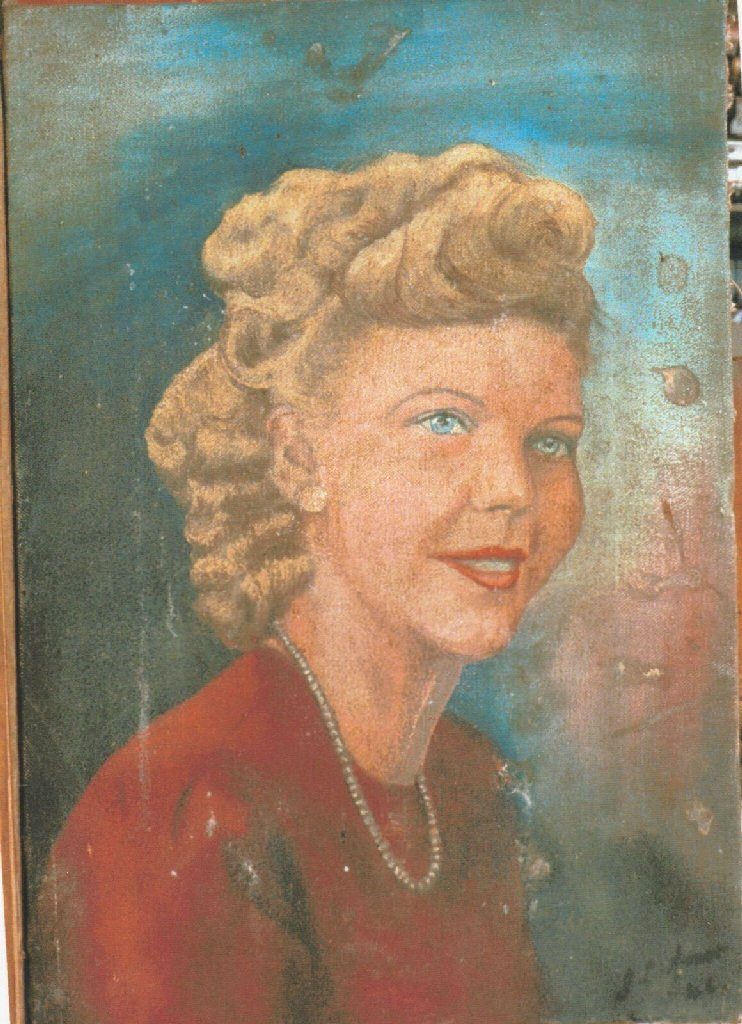
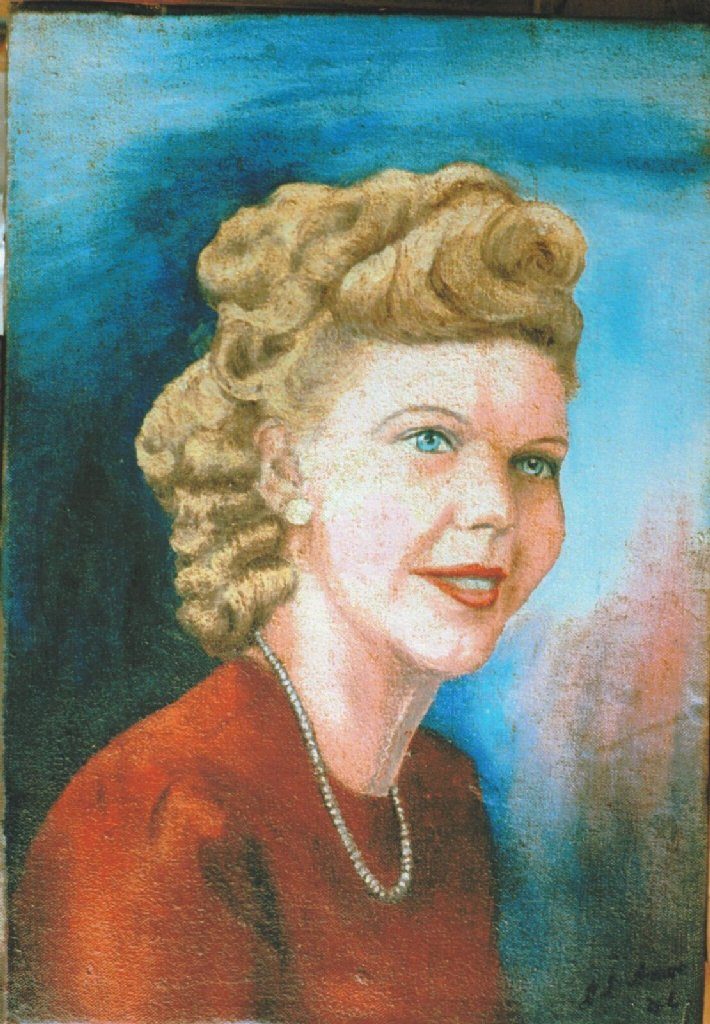
click to see the restored picture
 
BEFORE - AFTER
 
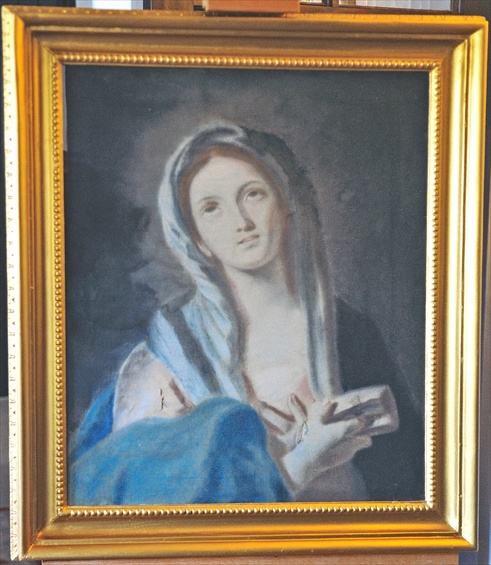
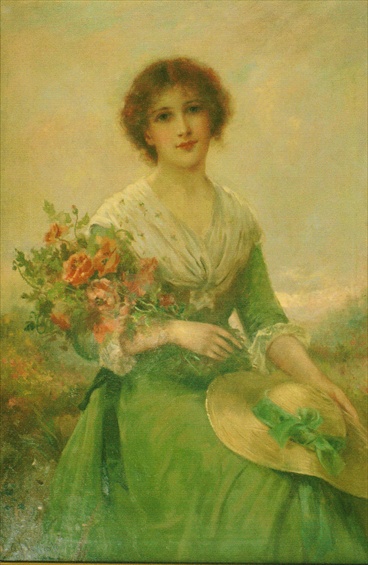
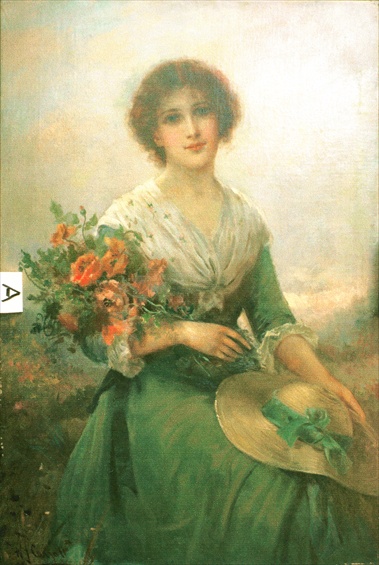
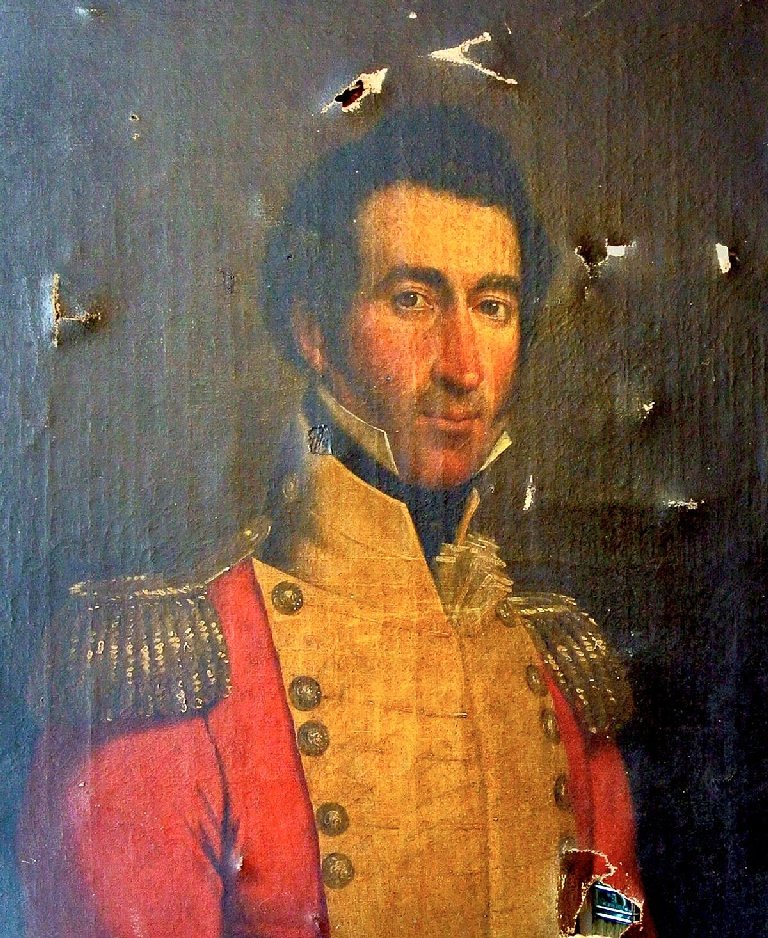
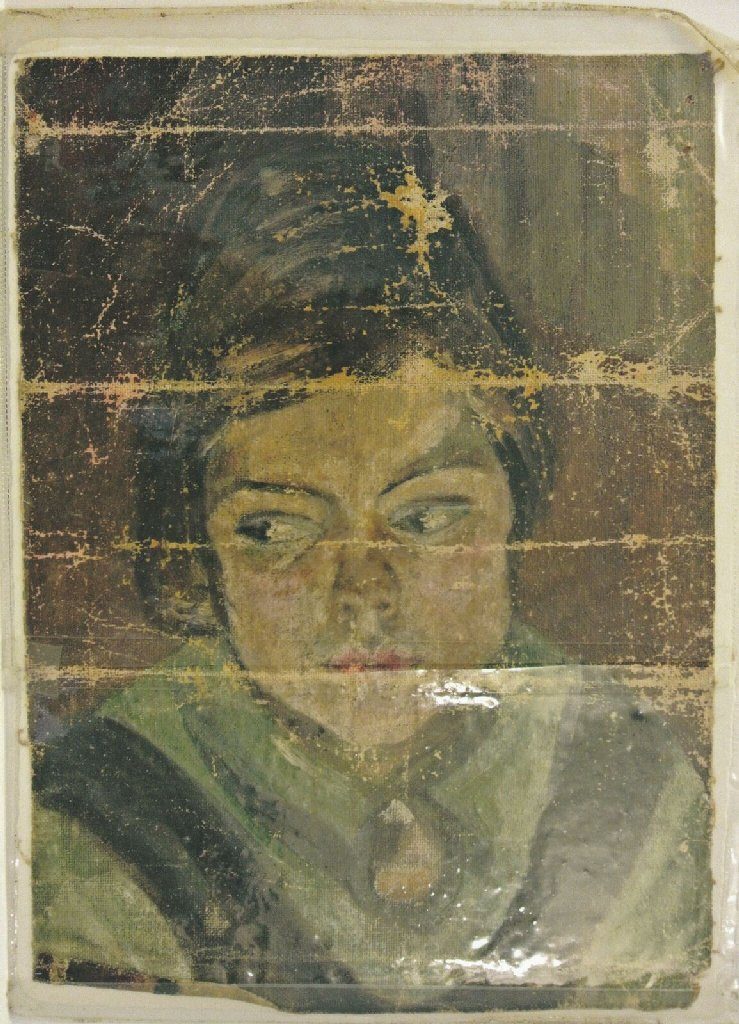
click to see the restored picture
 
BEFORE - AFTER
 
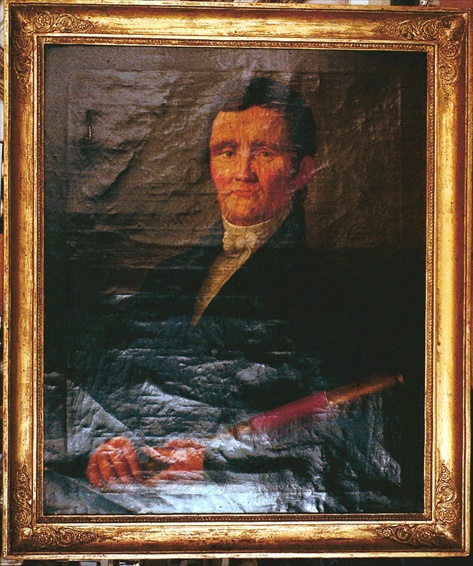
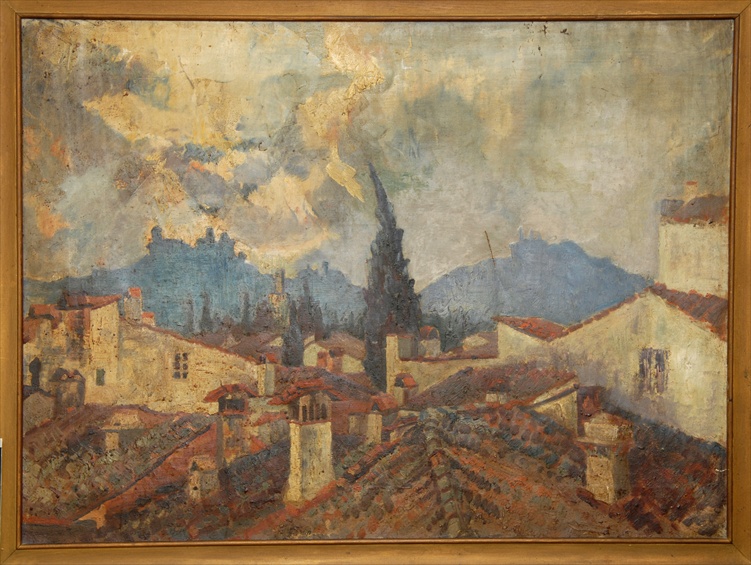
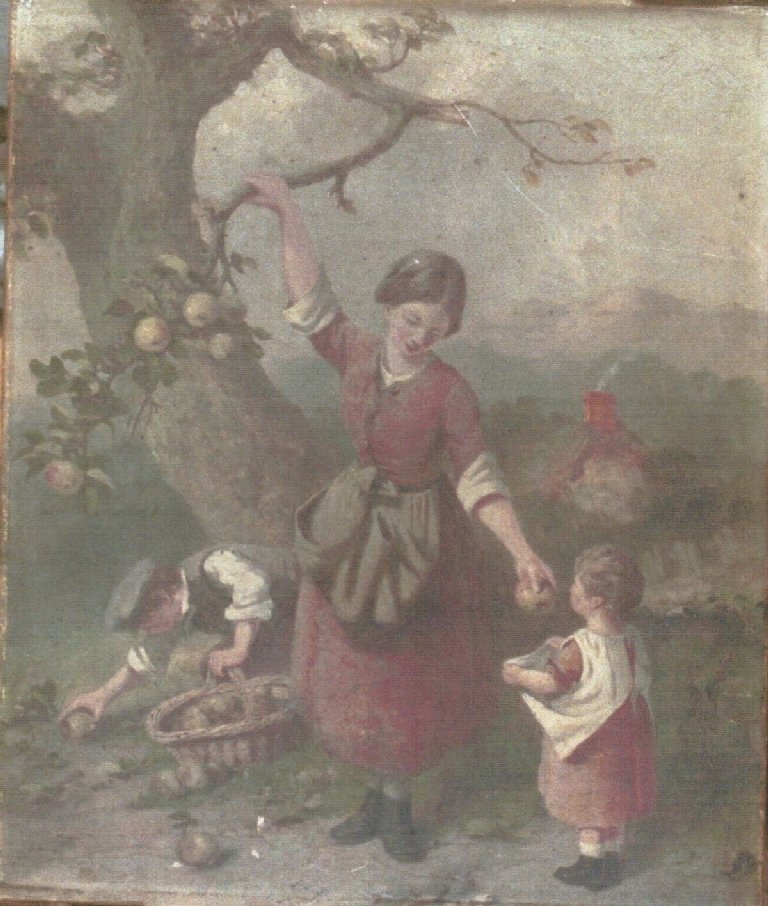
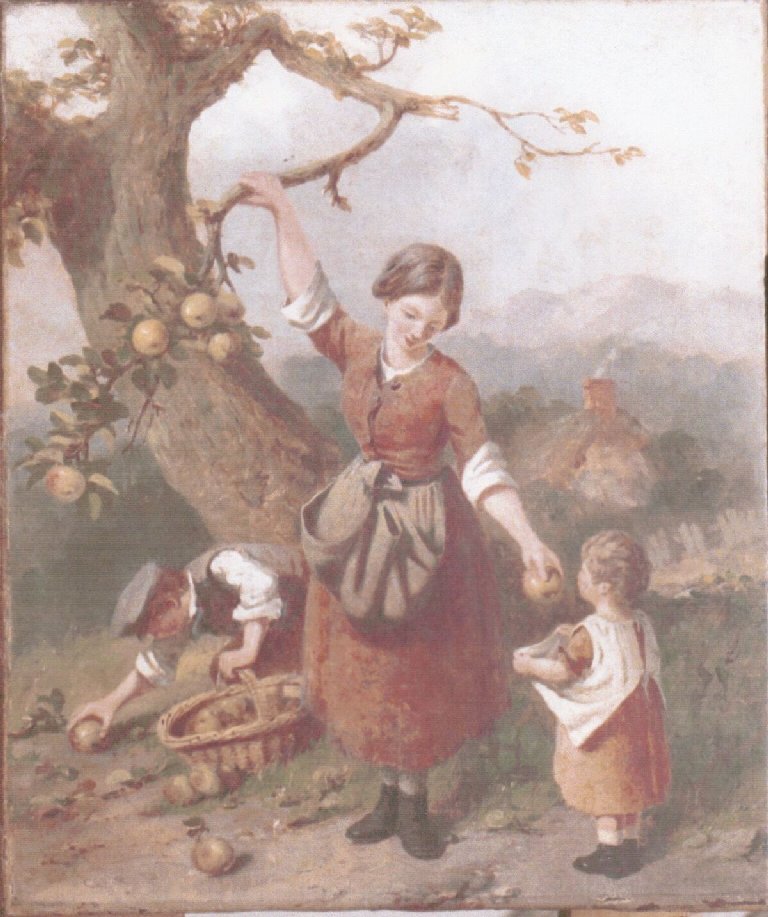
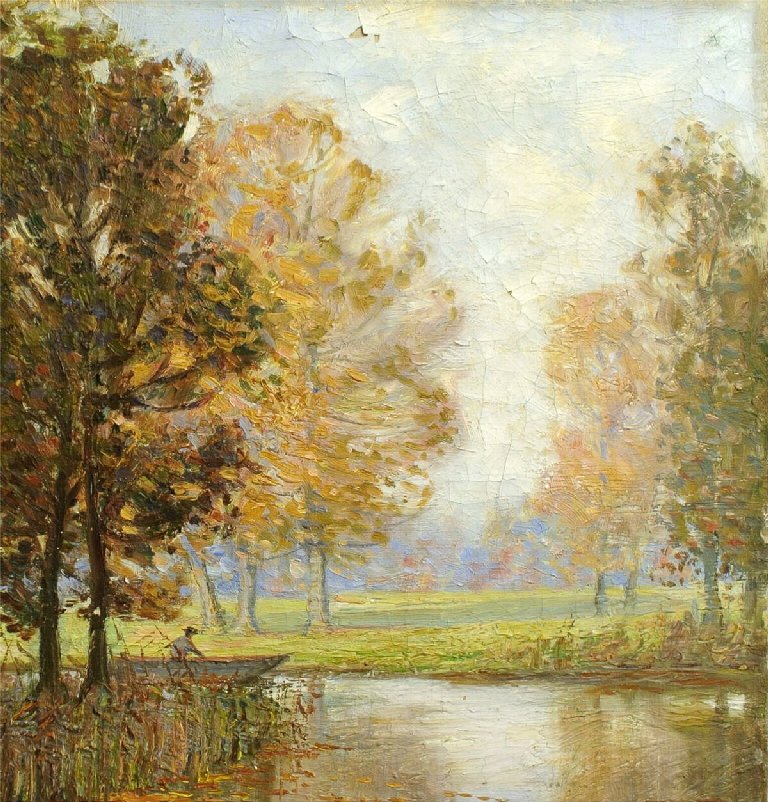
click to see the restored picture
 

BEFORE - AFTER

Please click on one of the pictures above to see what it looked like after restoration


Restore or not?

examples >>

A wide ranging question in the conserving and restoring of oil or easel paintings on various supports. The answer lies in several areas, financial, sentimental, custodial, and aesthetic. Quite simply, a decision on whether to restore a painting lies in the hands and mind of the owner/ custodian and the weighting given to each of the areas.

Financial factors: Include the sterling (£) value of the artwork, the available budget and the cost of restoring and conservation. The value of a painting can be problematic to settle as there are several factors involved in its reckoning. Firstly, insurance valuation for normal purposes (domestic as opposed to museum/ gallery situations), this being obtained mainly by viewing an historical analysis of trends in auction prices over several years for a particular artists works or similar items. Then there is the field of probate valuation for purposes of estate dispersal and taxation. Finally we take a realistic look at the actual achievable price for the painting at auction with access to a suitably hard-headed auctioneer or even a picture dealer. Remembering that these figures may vary widely.

But, the most realistic is likely to be the price in today's more specialised auction rooms, bearing in mind the need to have at least two bidders wanting said painting. So the value of any picture can tend towards the subjective.

Sentimental factors: Such as family connections, family wishes, individual likes/ dislikes, memories and connections of the picture with an area/ individual/ certain time in one's life. Again a very subjective area and the source of many strongly held opinions. Some thought has to be given to the future of the painting and in whose possession it will remain, this if the owner is approaching the latter end of their life. Naturally we are getting into more personal areas such as who likes or wants the painting which may even depend on its VALUE!

Custodial factors: An area which applies to individually produced art works. After all, they are unique, and in many cases the artist is dead so there will be no others produced. Reference should be made to the history of the artist and their work, the quality of workmanship, the subject and associated appeal factors, all of which, even with middle range works can also affect value and thus increase the custodial responsibility of owning the painting.

An oil painting requires regular inspection - i.e. a spring clean look over to check front, back, frame and hanging safety, position (e.g. not over heat) and light exposure (e.g. not in direct sunlight). In the process note should be taken of overall appearance - e.g. even surface coating, correctly stretched canvas, no holly berries or wedges slipped into the canvas and stretcher gap. Any doubts should be checked with a paintings restorer just to avoid the onset of later problems.

Aesthetic: So many aspects such as visual pleasure, mental response, sentimental connections, fitting to ones tastes, interior decoration and general added quality of life. Paintings are an artist's expression of a response to a view, a subject, a colour, a shape and many other matters.

We choose to have paintings that we like in our home surroundings, hence a picture has to harmonise or 'go' with our personal style, even perhaps to match a particular philosophy/ décor or room theme.

Of course, one can choose particular artists work solely for investment and anticipated increase in value which brings us neatly back to finance.

Naturally the owner of a painting will normally think about conservation only when some form of damage has occurred. The procedure is to ask advice from a paintings restorer in the form of an inspection, written report of condition and procedures required together with an estimate. Then following the above thoughts, and with regard to the available budget, decisions can be made. In short, if restoration is required far better it to be earlier minimal intervention in the form of surface cleaning, canvas re- alignment and full checking of paint condition, stability and adhesion, than the much later problems of major paint loss and damage to structural integrity caused by bad framing practice and general lack of care.  

Further thoughts concern the chosen conservator- restorer and their ability, knowledge, integrity, trustworthiness, skill, hand/ eye co- ordination, helpfulness, provision of reports and progress photographs.


Homepage | Caring for Oil Paintings| Watercolours and Prints | Framing 
Gilding | Picture Restoration | Examples | F A Qs | How to find us | Email Us | Links

©2008 Foster Studio Ltd. All rights reserved                webcraft faxsol